Tips To Improve Your Resume

September 29, 2025 in Uncategorized

Tips to improve Your resume is not just a piece of paper; it is your personal advertisement. In today’s competitive job market, recruiters spend only a few seconds skimming your resume for the very information they are looking for. That means your resume has to be flawless, professional, and tailored in order to capture their attention. Enhancing your resume can actually improve your chances of getting an interview if done right. In this guide, we will share practical tips to improve your resume so it becomes more impactful, ATS-friendly, and impressive to potential employers.


  1. Modify Your Resume to Each Job Application

And one of the major errors job seekers tend to make is using the same resume for every employer. Recruiters and hiring managers want to see a match between your skills and the job description. To improve your resume:

  • Read the job description closely.
  • Focus on relevant skills and experiences that correlate with the position.
  • Use the same terms listed in the job description.

Your resume is likely inclined to be ranked higher by an Applicant Tracking System (ATS) if it is tailored, which shows attention to detail.


  1. Adopt a Clear and Professional Format

Your resume should be easy to read and well-structured. Avoid using complicated fonts, large graphics, or odd layouts that could confuse ATS software or distract recruiters. Instead, use:

– A clean font such as Calibri, Arial, or Times New Roman.

– Clear section headings (e.g., Experience, Education, Skills).

– Consistent formatting with bullet points for readability.

A professional layout makes it easier for hiring managers to quickly scan your skills and qualifications.


  1. Emphasize Accomplishments, Not Just Duties

Employers want to see the impact you made in your prior roles, not just a list of tasks. Focus on measurable results by using the STAR method (Situation, Task, Action, Result). For example:

Rather than writing: “In charge of overseeing the sales team.”

Write: “Managed a ten-person sales team and raised revenue by 20% in just five months.”

A measurable achievement demonstrates value and strengthens your resume.
Tips To Improve Your Resume

Tips To Improve Your Resume

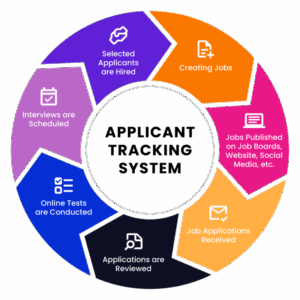
  1. Applicant Tracking Systems (ATS) Optimization

ATS is used majorly by medium scaled to large scaled organization to filter out resumes before a recruiter sees them. To ensure your resume passes ATS screening:

– Include relevant keywords from the job description.

– Avoid graphics, text boxes, and images.

– Use standard section headings like “Work Experience” and “Education”.

– Save your resume in Word or PDF format, unless otherwise specified.

An ATS-friendly resume ensures you do not get rejected before your skills are even reviewed.


  1. Keep It Brief and Relevant

Recruiters don’t have much time to go through resumes. Ideally, your resume should not exceed two pages. Focus on the most recent and relevant experiences. Provide a brief summary of previous positions for professionals with more than ten years of experience. Remember, quality is more important than quantity.


  1. Emphasize Transferable and Soft Skills

Employers’ value technical proficiency, but they also value soft skills like leadership, teamwork, communication, and flexibility. Include a skills section that highlights both technical and transferable skills. Use examples in your work history to illustrate these skills in action.


  1. Use Strong Action Verbs

Your resume’s impact can be affected by the language you use. Strong action verbs like “Led,” “Developed,” “Implemented,” “Achieved,” or “Designed” are good ways to start bullet points. This communicates initiative and results. Avoid passive language, which can weaken the impression you leave. check out on Resume Review class


  1. Include a Professional Summary

Instead of an outdated objective statement, use a professional summary at the top of your resume. This should be 3–5 sentences highlighting your key achievements, skills, and career goals. Tailor this section to the role you are applying for to immediately capture the recruiter’s attention.


  1. Showcase Continuous Learning and Certifications

Employers value candidates who invest in personal and professional growth. Highlight certifications, training programs, or workshops you have completed. For example:

– Certified Project Management Professional (PMP).

– Google Analytics Certification.

– Ongoing training in Data Analysis or Digital Marketing.

This signals that you are proactive and adaptable in an evolving job market.


  1. Proofread and Seek Feedback

A resume with spelling or grammar mistakes leaves a negative impression. Use tools like Grammarly or Microsoft Word’s spelling and grammar checker, but also ask a mentor or colleague to review it. A fresh set of eyes may spot errors or suggest improvements you overlooked. check here


Conclusion

Improving your resume is an investment in your career success. By tailoring your application, highlighting achievements, ensuring ATS compatibility, and maintaining professionalism, you increase your chances of landing interviews. Remember, your resume should tell a story that positions you as the ideal candidate. With these tips, you can craft a document that stands out in today’s competitive job market.


How Continuous Learning Keeps Business Competitive

September 23, 2025 in Uncategorized

Competitive advantage no longer depends only on goods, prices, or marketing tactics in the fast-paced business world of today. Rather, it is becoming more and more linked to people: the staff members who solve difficult problems, foster innovation, and provide customer experiences. Employees in organizations must constantly adjust to new business models, changing market demands, and emerging technologies if they are to stay resilient and relevant.
This is where continuous learning comes in. Far from being a corporate buzzword, continuous learning has become a strategic necessity. In addition to being more inventive, companies that make investments in professional development, upskilling, and reskilling are also better positioned to hold onto top talent, lower operational risks, and sustain long-term growth.

1. Why Continuous Learning Matters
The world of work is evolving at an unprecedented pace. Skills that were in demand five years ago may already be outdated today. According to industry research, over 50% of employees will need significant reskilling and upskilling in the next three years due to technological advancements like automation and artificial intelligence.
This means one thing for businesses: without a culture of lifelong learning, organizations risk losing their competitive edge and employees risk falling behind. Teams that engage in continuous learning are more flexible and able to satisfy changing client and business demands.
2. The Link Between Learning and Innovation
Competitiveness depends on innovation. Curiosity, experimentation, and creativity are fostered by companies that support continuous learning. Workers who are exposed to new information and viewpoints are more likely to come up with original ideas and find creative answers to problems.
For instance, tech firms that make significant investments in ongoing education, through innovation labs, design thinking workshops, and coding boot camps, frequently take the lead in creating ground-breaking goods and services. Innovation is a natural outcome when learning is ingrained in company culture.
3. Upskilling and Reskilling for the Future of Work
Jobs in many industries have been redefined by the rise of digital transformation. While some roles run the risk of becoming outdated, others, like those in data analytics, cybersecurity, and artificial intelligence, are developing quickly. Businesses need to dedicate themselves to both in order to stay competitive:
• Upskilling: It is the process of improving an employee’s present abilities to increase their effectiveness in their positions.
• Reskilling: It is the process of educating staff members to assume completely new responsibilities that correspond with changing business requirements.
Businesses can lessen their reliance on external hiring, which is frequently expensive, time-consuming, and unpredictable, by concentrating on their own employee development. Rather, they create a workforce that is future ready and can adapt easily.
4. Enhancing Employee Engagement and Retention
Continuous learning helps people as well as businesses. Employees are more motivated, engaged, and loyal when they see their company investing in their growth.
Studies show that organizations with strong learning cultures report higher employee retention and lower turnover rates. Employees now remain with organizations where they perceive career development opportunities rather than just job security. By supporting professional growth, businesses strengthen both morale and retention, which translates into a stronger bottom line.
5. Building a Learning Culture
It takes more than just holding periodic training sessions to establish a learning culture. It is about embedding learning into the DNA of the organization. To achieve this, leaders must:
• Encourage employees to take ownership of their career development.
• Provide access to e-learning platforms, mentorship programs, and workshops.
• Acknowledge and honor the sharing of knowledge and the development of skills.
• Make learning part of daily work practices rather than a one-time occurrence.
Employees are encouraged to experiment and take chances when learning is viewed as a shared value, which increases business competitiveness.
6. Leveraging Technology for Learning
Learning is now easier than ever thanks to the powerful tools available to modern businesses. Digital learning platforms, mobile apps, webinars, and virtual classrooms allow employees to learn at their own pace, anytime and anywhere.
Personalized learning paths can be created with the use of Artificial Intelligence (AI), checkout this article  which suggests training courses according to each employee’s particular career objectives and skill gaps. By embracing digital learning solutions, companies can scale professional development efficiently while reducing costs.
7. Continuous Learning as a Competitive Advantage
Prioritizing learning offers organizations a number of distinct advantages:
• Agility: They quickly adjust to shifting market conditions.
• Innovation: They come up with original solutions that are difficult for rivals to match..
• Talent Attraction: They attract ambitious professionals who value growth.
• Resilience: They are better prepared to weather economic downturns and industry disruptions.
In short, learning becomes a competitive advantage. In a market where products and services can be replicated, a skilled and adaptive workforce cannot.
8. Measuring the Impact of Continuous Learning
Organizations must assess the impact of continuous learning in order to optimize its advantages. Useful metrics include:
• Employee performance and productivity improvements.
• Innovation rates (e.g., new ideas, patents, or solutions created).
• Retention and turnover statistics.
• Customer satisfaction and loyalty scores.
When businesses track these outcomes, they can refine their learning strategies, ensuring that investments in training and development deliver measurable results.

Check here for continuous learning

Conclusion
Continuous learning is the key to long-term business success in a world that is characterized by constant change. Companies that commit to upskilling, reskilling, and cultivating a growth culture are not only more innovative but also more competitive.
By leveraging technology, encouraging employee engagement, and embedding lifelong learning into everyday work practices, businesses can stay ahead of the curve. The future will belong to organizations that recognize learning not as an option but as a strategic advantage.

When Leaders Cross the Line: HR’s Role in Managing Executive-Level Ethical Breaches

July 19, 2025 in Uncategorized

Yes leaders do cross the line, recent Coldplay concert has reminded us. While leaders are supposed to show the way, lead with integrity, be an inspiration they do cross the line at times as humans. In today’s interconnected world, personal and professional boundaries can easily blur—especially in the age of social media and viral content. When top executives are caught in compromising situations, the fallout can extend beyond personal reputations and seep into organizational culture, employee trust, and public image.

Such is the case in the recent scenario involving Astromer, a leading tech solutions company, where the CEO Andy Byron and Head of HR Kristin Cabot were publicly seen engaging in a romantic affair during a Coldplay concert—an event that quickly made headlines and flooded online platforms. The issue isn’t merely about a relationship; it’s about conflict of interest, ethical leadership, and how organizations handle internal crises involving those at the helm event though the Coldplay concert could have been attended in private capacity.

Why This Matters

In most organizations, the CEO and the Head of HR are expected to be custodians of company culture, ethics, and values. When these individuals are seen crossing boundaries, it creates ripple effects—raising questions like; Is there favoritism?  Were professional decisions compromised? How can other employees trust HR processes moving forward?

As profession HR practitioners and consultants to corporate organizations, Emerald Zone is putting out this  professional HR roadmap for addressing such incidents to achieve integrity, transparency, and fairness.

Step 1: Immediate Internal Review

Once a public incident occurs, the first step is not silence but structured inquiry. The Board of Directors or an independent ethics committee should initiate a confidential but firm review into:

  • The nature of the relationship
  • Possible breaches of company policy
  • Impact on reporting lines and decision-making processes

This ensures that leadership is held accountable and that internal standards apply to everyone equally.

Step 2: Activate Conflict of Interest Protocols

A romantic relationship between a CEO and the Head of HR is a direct conflict of interest, especially if one party has influence over the other’s professional standing. Organizations must review:

  • Whether any decisions were influenced by personal bias
  • If HR processes (recruitment, appraisals, grievances) have been compromised
  • The power dynamics involved

Based on findings, temporary reassignment, role separation, or administrative leave may be necessary to preserve process integrity during investigation.

Step 3: Transparent Communication

Employees and stakeholders will talk. The role of leadership is to control the narrative responsibly. An internal memo or town hall, acknowledging the situation without disclosing personal details, helps:

  • Prevent misinformation
  • Reassure staff that proper procedures are being followed
  • Reinforce organizational values of professionalism and accountability

Remember: silence breeds speculation; clarity breeds confidence. It would also be necessary to reiterate that attending social events like Coldplay concerts in personal capacity cannot be frowned at.

Step 4: Reinforce Policy & Ethics Training

This incident should serve as a teachable moment. HR should lead a company-wide refresher on ethics, workplace relationships, and professional boundaries. For senior executives, the training should highlight:

  • The importance of model behavior
  • Legal and ethical consequences of power-imbalanced relationships
  • The zero-tolerance approach for policy breaches

Step 5: Support the Culture and the People

Regardless of outcome, the incident may have created an emotional or psychological ripple effect among employees—ranging from disillusionment to workplace tension. HR should ensure:

  • Open channels for feedback
  • Anonymous reporting options if employees feel impacted
  • Counseling or EAP services are available for affected staff

A healthy culture is not just about rules—it’s about care and trust.

Conclusion: Lead with Principles, Not People

The Astromer incident at the Coldplay concert may have been a moment of personal misjudgment, but for the organization, it’s a chance to reaffirm that no one is above accountability. HR professionals and business leaders must remember: ethics at the top define trust throughout the organization.

In an era where reputations are shaped in real time, organizations must act swiftly, fairly, and transparently to uphold their integrity—not just for the headlines, but for the people who rely on them every day.

Company Policies, a Backbone of Workplace Structure

June 20, 2025 in HR, Resources

Company policies are the foundational guidelines that govern the internal conduct of an organization and its employees. They serve as essential tools for ensuring consistency, transparency, and accountability in the workplace. By outlining expectations, responsibilities, and acceptable behavior, company policies help create a structured environment where both employees and management can operate efficiently and ethically. These policies are designed not only to comply with legal and regulatory requirements but also to support organizational values, promote fairness, and safeguard the rights and well-being of all staff members this ultimately can impact Performance Management. . From human resources to operational practices, financial procedures, health and safety standards, and behavioral expectations, company policies provide a unified framework that aligns individual actions with the company’s broader mission and goals. Establishing and maintaining clear, well-communicated policies is vital to building a strong corporate culture, mitigating risks, and fostering a professional and respectful work environment.

In every successful organization, there’s a silent force guiding behavior, ensuring fairness, and fostering a culture of growth and accountability. That force is company policy—a backbone of workplace structure, consistency, and decision Making. a written  rules that guide employee behavior, ensure legal compliance and outline an essential cornerstone of every establishment

Company policies serve as formal guidelines to manage employee behavior, workplace procedures, and business operations. It is the compass that keeps every employee and leader aligned, not just with legal standards but with the company’s vision, values, and goals. Company policies are more than just paperwork—they’re the living, breathing principles that shape employee experience from onboarding to exit. Company policies are formal Statement and guidelines that dictate how common workplace situations should be handled. From recruitment and onboarding to disciplinary procedures, employee benefits, leave entitlements, code of conduct, and diversity and inclusion—they cover it all. These policies aren’t there to police; they’re there to protect:

  • Protect the company from legal risks
  • Protect employees from unfair treatment
  • Protect the workplace environment from chaos

 Why Are They Crucial?

  • For Clarity & Consistency: Company Policies ensure that all employees are treated consistently and fairly in how issues are handled. No guessing games. it set clear expectations for employees and managers
  • For Compliance & Risk Reduction: They help companies meet legal requirements, avoiding costly penalties or lawsuits.
  • For Culture Building: A strong policy framework reinforces company’s values and support desired healthy work culture, enhancing productivity and trust .
  • To Empower Management: HR and managers can make informed, consistent decisions—backed by clearly written rules.
  • Ensure legal compliance with labor laws and regulations.

Common Company Policies

HR Policies

Policies that manage the employee lifecycle and workplace standards.

Attendance Policy – Rules around work hours, lateness, and absence reporting.

Leave Policy – Procedures and entitlements for annual leave, sick leave, parental leave, etc.

Recruitment Policy – Fair and transparent hiring practices and candidate evaluation criteria.

Dress Code Policy – Guidelines on professional attire and grooming.

Operational Policies

Policies that support daily business functions and system usage.

IT Usage Policy – Rules for using company computers, software, and internet access.

Data Security Policy – Protection of sensitive data and access control measures.

Communication Tools Policy – Appropriate use of email, messaging platforms, and official communication channels.

Financial Policies

Regulations on how the company handles and monitors financial matters.

Expense Reimbursement Policy – Process for claiming and approving business-related expenses.

Payroll Policy – Payroll schedules, payment methods, and deduction guidelines.

Budgeting Policy – Framework for creating, approving, and managing financial plans.

Health & Safety Policies

Policies that ensure employee health, safety, and emergency readiness.

Emergency Procedures Policy – Response plans for fire, natural disasters, and medical emergencies.

Workplace Safety Policy – Guidelines to maintain a safe and compliant work environment (e.g., equipment safety, hazard reporting).

Behavioral Policies

Standards for employee conduct, ethics, and interpersonal behavior.

Ethics Policy – Promotes integrity, honesty, and ethical decision-making.

Disciplinary Policy – Steps and consequences for addressing misconduct or violations.

Anti-Harassment Policy – Zero-tolerance policy for harassment, with reporting and resolution procedures.


Best Practices for Effective Company Policies

  • Be Clear and Concise: Avoid jargon; use simple, actionable language.
  • Stay Compliant: Ensure policies adhere to local and international labor laws.
  • Stay Up to Date: Review and revise regularly to reflect changes in law or work environment.
  • Communicate Effectively: Provide training and accessible resources so employees understand what’s expected such as employee handbooks and intranet portals
  • Be Fair and Inclusive: Design policies that consider diverse backgrounds, work styles, and perspectives. Promote inclusion and equity in every policy crafted


In essence, Company policies are not just bureaucratic necessities—they’re strategic tools. They pave the way for a workplace where everyone knows the rules of the game, feels protected, and can focus on what truly matters: growing, collaborating, and thriving. A great policy doesn’t just tell you what not to do. It tells you how to do things right. Company Policies: The Compass of HR Excellence”

As a bonus, access our downloadable HR resource here 

In every successful organization, there’s a silent force guiding behavior, ensuring fairness, and fostering a culture of growth and accountability. That force is company policy—an essential cornerstone in the Human Resources (HR) field. Think of it as the compass that keeps every employee and leader aligned, not just with legal standards but with the company’s vision, values, and goals. Company policies are more than just paperwork—they’re the living, breathing principles that shape employee experience from onboarding to exit.


Quiet Quitting and Quiet Hiring, the loud silent trends in the Workplace

May 5, 2025 in Blog

Over the past few years, the workplace has undergone a radical transformation, among the many is Quiet Quitting & Quiet Hiring. From the rise of remote work to shifting employee expectations, many of the changes have been loud, visible, and disruptive. But amidst this transformation, two relatively “quiet” concepts have made a powerful entrance: Quiet Quitting and Quiet Hiring.

Though seemingly subtle, these phenomena are anything but silent in their impact. They represent deep undercurrents in the modern workforce—where purpose, performance, and productivity are being renegotiated.

📌 Quiet Quitting: A Silent Stand Against Hustle Culture

Origin: The term “quiet quitting” gained momentum in mid-2022, going viral on platforms like TikTok. It didn’t refer to actual resignations, but to employees choosing to disengage from overwork. Rather than going the extra mile, they stuck strictly to their job descriptions, doing what was required—nothing more, nothing less.

Why It Happened:

  • Burnout: The pandemic blurred work-life boundaries, and many employees were stretched thin.

  • Lack of Recognition: Extra work often went unrewarded, leading employees to pull back.

  • Changing Priorities: The “Great Resignation” and remote work shifted people’s view on what matters—mental health, autonomy, and work-life balance became non-negotiables.

  • Generational Influence: Gen Z and younger millennials questioned the value of climbing corporate ladders without purpose or payoff.

What It Means: Quiet quitting isn’t laziness—it’s a form of self-preservation and a call for better engagement. It challenges employers to rethink how they define productivity and motivate employees in a sustainable way.

🔁 Quiet Hiring: The Strategic Side of “Doing More with Less”

Origin: While not entirely new, “quiet hiring” was coined by HR thought leaders and became popular in early 2023, notably after a Gartner report identified it as a top HR trend for the year.

It refers to the practice of gaining new skills or capabilities without hiring new full-time staff. Organizations began quietly reallocating responsibilities, tapping internal talent, and leaning on contingent workers to meet changing needs.

Key Drivers:

  • Hiring Freezes: In times of economic uncertainty, many companies couldn’t afford to hire but still needed to meet business demands.

  • Talent Shortages: The ongoing war for talent made it difficult to find qualified candidates quickly.

  • Agility & Cost Efficiency: Organizations saw an opportunity to be leaner while still adapting to new priorities (e.g., digital transformation, ESG, AI integration).

Methods of Quiet Hiring:

  • Promoting internal mobility (redeploying staff to new roles or projects)

  • Temporarily expanding roles and responsibilities

  • Upskilling employees for adjacent functions

  • Hiring freelancers and consultants as stopgaps

🧭 From Quiet Trends to Strategic Imperatives

What makes quiet quitting and quiet hiring so significant is that they are two sides of the same coin. One reflects the employee experience—disengagement, lack of motivation, desire for autonomy—while the other reflects the employer response—resource optimization, agility, and cost control.

Together, they signal a need for a new social contract at work. Employees want meaningful work, clear expectations, and room to grow. Employers want adaptability, performance, and engagement. When either side becomes “quiet,” misalignment grows—and trust erodes.

💼 What HR Must Do Now

  1. Reignite Engagement: Invest in employee listening, well-being, and career development to prevent quiet quitting.

  2. Be Transparent with Change: Quiet hiring can feel like exploitation if not communicated clearly. Align new responsibilities with recognition and reward.

  3. Create a Culture of Growth: Make internal mobility a norm, not a backup plan. Equip employees with learning paths and mentorship.

  4. Redefine Productivity: Shift the focus from hours worked to value delivered. Recognize that balance and wellbeing contribute to sustainable performance.

  5. Balance Flexibility with Fairness: Whether it’s reassigning duties or managing disengaged staff, be consistent, empathetic, and policy-driven.

Another great read: How to Build a Strong Company Culture in a Remote or Hybrid World

🌐 Conclusion: The New Noise in “Quiet” Trends

Quiet quitting and quiet hiring have become loud reminders that today’s workforce is evolving—not just in where and how people work, but in why they work. These trends challenge HR leaders to bridge the growing gap between organizational demands and employee expectations.

Silence, in this context, speaks volumes. The question is: are we listening?

How to Build a Strong Company Culture in a Remote or Hybrid World

March 2, 2025 in Blog, HR, Professionalism

Company culture has experienced a great shift because of remote and hybrid work models, it has impacted the way businesses operate. While these models offer flexibility and access to a global talent pool, they also present unique challenges, particularly when it comes to building and maintaining a strong company culture. Company culture is the backbone of any organization—it shapes employee engagement, productivity, and retention. In a remote or hybrid world, fostering a cohesive and inclusive culture requires intentional effort, creativity, and adaptability.

In this blog post, we’ll explore actionable strategies to build a strong company culture in a remote or hybrid work environment. Whether you’re a startup or an established enterprise, these tips will help you create a workplace where employees feel connected, valued, and motivated.

  1. Define and Communicate Your Core Values

A strong company culture starts with a clear set of core values. These values serve as the foundation for decision-making, behavior, and interactions within the organization. In a remote or hybrid setting, where employees may not interact face-to-face daily, it’s even more critical to articulate and reinforce these values.

Revisit your company’s mission, vision, and values. Ensure they resonate with your team and reflect the culture you want to build. Communicate these values consistently through onboarding, team meetings, and internal communications. E.g. If one of your core values is “collaboration,” emphasize it by encouraging cross-team projects and creating opportunities for virtual brainstorming sessions.

  1. Prioritize Transparent Communication

Transparency is key to building trust and alignment in a remote or hybrid workplace. When employees feel informed about company goals, challenges, and successes, they are more likely to feel connected to the organization.

Use tools like Slack, Microsoft Teams, or Zoom to facilitate open communication. Schedule regular all-hands meetings where leadership shares updates and answers questions. Encourage managers to have frequent one-on-one check-ins with their teams. Example: Share quarterly business updates with the entire team, highlighting achievements and addressing challenges. This keeps everyone on the same page and fosters a sense of shared purpose.

  1. Foster Connection Through Virtual Team-Building Activities

In a remote or hybrid environment, spontaneous watercooler conversations and casual interactions are limited. To replicate this sense of camaraderie, organizations must intentionally create opportunities for employees to connect on a personal level.

Organize virtual team-building activities such as online trivia games, virtual coffee breaks, or book clubs. Consider hosting quarterly in-person meetups or retreats for hybrid teams.  A monthly “virtual happy hour” where employees can unwind and chat about non-work-related topics can help build relationships and strengthen team bonds, is a good example.

  1. Invest in the Right Technology

Technology plays a crucial role in enabling collaboration and communication in a remote or hybrid workplace. The right tools can streamline workflows, enhance productivity, and foster a sense of connection among team members.

Equip your team with tools like project management software (e.g., Asana, Trello), video conferencing platforms (e.g., Zoom, Google Meet), and instant messaging apps (e.g., Slack, Microsoft Teams). Ensure everyone is trained to use these tools effectively. Use a platform like Donut to randomly pair employees for virtual coffee chats, helping to break down silos and encourage cross-departmental connections.

  1. Recognize and Celebrate Achievements

Recognition is a powerful motivator and a key component of a positive company culture. In a remote or hybrid setting, it’s easy for employees to feel overlooked or undervalued. Regularly acknowledging their contributions can boost morale and reinforce a culture of appreciation.

Implement a recognition program where employees can celebrate each other’s achievements. This could be through shout-outs in team meetings, a dedicated Slack channel, or a formal rewards system.

  1. Promote Work-Life Balance

Remote work often blurs the lines between professional and personal life, leading to burnout and decreased productivity. A strong company culture prioritizes employee well-being and encourages a healthy work-life balance.

Encourage employees to set boundaries by defining clear working hours and taking regular breaks. Offer flexible schedules to accommodate different time zones and personal commitments. Example, implement “no-meeting Fridays” to give employees uninterrupted time to focus on deep work or recharge.

  1. Provide Opportunities for Professional Growth

Employees are more likely to stay engaged and committed to an organization that invests in their development. In a remote or hybrid world, providing opportunities for learning and growth is essential to maintaining a strong culture.

Offer virtual training programs, webinars, and workshops. Provide access to online learning platforms like LinkedIn Learning. Encourage managers to discuss career goals with their team members during one-on-one meetings. Host a monthly “lunch and learn” session where employees can share their expertise or learn from external speakers.

  1. Lead by Example

Leadership sets the tone for company culture. In a remote or hybrid environment, leaders must model the behaviors and values they want to see in their teams. This includes demonstrating transparency, empathy, and a commitment to work-life balance. Encourage leaders to be visible and accessible. They should actively participate in virtual meetings, share their own experiences, and show vulnerability when appropriate.

  1. Create Inclusive Policies and Practices

A strong company culture is one where every employee feels included and valued, regardless of their location or work arrangement. Inclusive policies and practices ensure that remote and hybrid employees have equal opportunities to contribute and succeed.

Review your policies to ensure they support remote and hybrid workers. This includes offering flexible work hours, providing stipends for home office setups, and ensuring that remote employees have equal access to career advancement opportunities.

  1. Solicit and Act on Feedback

Building a strong company culture is an ongoing process that requires continuous improvement. Regularly soliciting feedback from employees allows you to identify areas for growth and make necessary adjustments. Conduct anonymous surveys or host virtual town halls to gather feedback on your remote or hybrid work policies and culture. Act on the feedback to show employees that their voices matter.

Conclusion

Building a strong company culture in a remote or hybrid world is both a challenge and an opportunity. By prioritizing clear communication, fostering connection, and investing in employee well-being, organizations can create a culture that thrives in this new era of work. Remember, culture is not built overnight—it requires consistent effort, adaptability, and a commitment to putting people first. Check out our HR Services here

As you navigate the complexities of remote and hybrid work, keep in mind that the most successful organizations are those that embrace change and prioritize their employees’ needs. By doing so, you’ll not only build a strong culture but also position your company for long-term success in an ever-evolving workplace landscape.

What steps are you taking to strengthen your company culture in a remote or hybrid world? Share your thoughts and experiences in the comments below!

The Future of Work: Impact ofAI in HR Practices

February 8, 2025 in Blog, HR

The Role of AI in HR for the Future of Work

The world of work is changing rapidly, and the role of Artificial Intelligence (AI) in HR automation to AI-driven recruitment cannot be underestimated , businesses are leveraging cutting-edge technology to optimize their human resources processes. AI is no longer just a futuristic concept—it is actively shaping the way organizations hire, manage, and retain talent.

In Nigeria, HR professionals and business leaders must embrace AI in human resources to stay competitive. Whether it’s automated payroll systems, AI-powered hiring tools, or AI chatbots for employee engagement, the future of work is digital, and AI is leading the way.

AI in Recruitment: Hiring Smarter and Faster

One of the biggest impacts of artificial intelligence in HR is in recruitment and talent acquisition. Traditional hiring processes are often time-consuming, but with tech solutions, companies can now:

  • Use Artificial Intelligence powered applicant tracking systems (ATS) to filter and shortlist candidates based on skills and experience.
  • Automate CV screening to identify the best candidates in seconds.
  • Enhance hiring decisions with predictive analytics, which help assess a candidate’s likelihood of success in a role.
  • Improve diversity hiring by eliminating unconscious bias in recruitment.

At Emerald Zone, we help organizations streamline their recruitment processes, ensuring they attract and retain top talent.

AI and Employee Engagement: Personalized HR Support

AI is transforming employee experience by making HR processes more interactive and efficient. Companies now use:

  • Artificial Intelligence chatbots for HR support, providing instant answers to employee queries about leave, payroll, and policies.
  • Sentiment analysis tools to measure employee satisfaction and predict attrition rates.
  • AI-driven learning and development (L&D) platforms that recommend personalized training programs based on employee needs.

These AI solutions help HR teams focus on strategic human capital management rather than repetitive administrative tasks. At Emerald Zone, we assist businesses to implement systems that enhance workplace efficiency and engagement.

AI in Performance Management and Employee Retention

Retaining top talent is one of the biggest challenges for businesses today. Tech is helping HR leaders:

  • Analyze employee performance data to identify productivity patterns and training needs.
  • Provide real-time feedback using Artificial Intelligence
    I-driven performance management systems.
  • Predict employee turnover and take proactive measures to improve retention.

Organizations that integrate tech powered HR analytics can make data-driven decisions to build a more productive workforce.

The Future of HR: Artificial Intelligence and Human Collaboration

While the industry is getting revolutionized, it is not here to replace human professionals. Instead, Artificial Intelligence

enhances HR automation by reducing manual workload, allowing HR teams to focus on:

  • Building strong company culture
  • Developing employee wellness programs
  • Improving leadership and talent development strategies

At Emerald Zone, we help organizations strike the perfect balance between technology and human-centric HR strategies, ensuring sustainable business growth.

Why Choose Emerald Zone?

The future of HR is here, and businesses must adapt to stay ahead. Whether you need:

  • AI-powered HR tools for recruitment and employee engagement
  • Training on tech driven HR transformation
  • HR consulting for business growth

Emerald Zone is your trusted partner for all things human resources, business transformation, and workplace innovation.

Transform your  processes today! Contact us at Emerald Zone to future-proof your workforce. Some institutes also teach on technology